
Choosing the Right Materials for Making Insulation Bags
author: Joyce Lu
2024-04-25
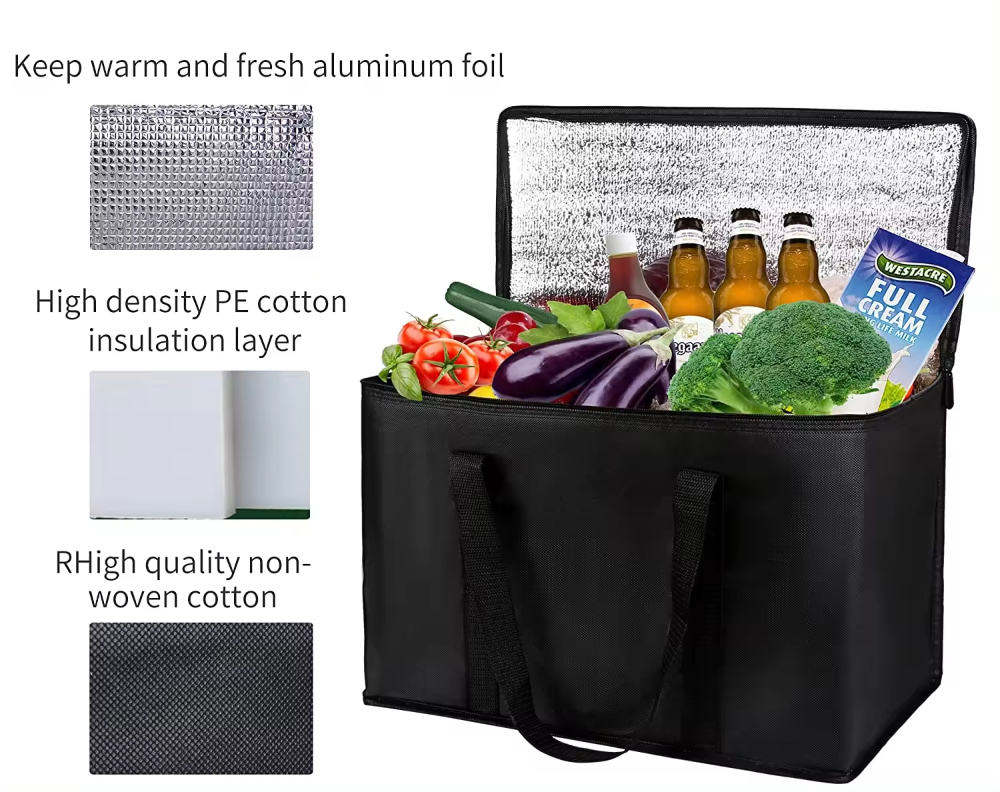
Introduction:
Insulation bags have become a popular choice for keeping our food and drinks fresh and at the desired temperature. Whether you are planning a picnic, going on a road trip, or simply want to enjoy a hot meal at work, a well-made insulation bag can be your best companion. In this article, we will discuss the different materials you can use to make your own insulation bags, ensuring your meals stay hot or cold for longer periods.
1. Insulation Materials: To create an effective insulation bag, the choice of materials is crucial. Here are a few options to consider:
a) Foam Insulation: Foam is a widely used material in insulation bags due to its excellent thermal properties. It provides good insulation and helps maintain the desired temperature. Closed-cell foam, such as polyethylene foam, is highly recommended as it offers superior heat resistance and durability.
b) Reflective Insulation: Reflective materials, like aluminum foil, can be used in combination with foam insulation to enhance the bag's insulating properties. The reflective surface helps to reflect heat away, maintaining the desired temperature inside the bag.
c) Insulating Fabrics: Utilizing insulating fabrics, such as insulated batting or thermal fleece, can further enhance the bag's ability to retain heat or coldness. These fabrics are designed to trap air, preventing temperature transfer and keeping the contents at the desired temperature.
2. Exterior and Interior MaterialsApart from insulation, the choice of exterior and interior materials is equally important to ensure durability, ease of cleaning, and aesthetics.
a) Exterior Material: Opt for a durable and water-resistant fabric for the exterior of the bag. Nylon, polyester, and canvas are popular choices due to their strength and ability to withstand wear and tear.
b) Interior Material: The interior of the bag should be lined with a waterproof and easy-to-clean material. Consider using a food-grade PVC or PEVA lining that is resistant to stains and odors.
3. Additional Considerations: When making insulation bags, keep the following points in mind:
a) Closure Mechanism: Choose a sturdy closure mechanism such as a zipper, Velcro, or snap buttons to ensure the bag remains tightly sealed, preventing temperature leakage.
b) Handles and Straps: Reinforce the bag with strong handles or straps for easy carrying, especially if you plan to transport heavier items.
c) Size and Design: Consider the intended use of the bag while determining its size and design. Whether it is for storing lunches, beverages, or larger meals, ensure the bag accommodates your requirements.
Conclusion:
By carefully selecting the right materials for your insulation bag, you can enjoy the convenience of keeping your food and drinks at the desired temperature. Foam insulation, reflective materials, insulating fabrics, durable exteriors, and easy-to-clean interiors are key factors to consider. With a well-made insulation bag, you can embark on any adventure knowing your meals will be fresh and enjoyable.
Unveiling the Intricate Production Procedures of Cooler Bags
Ultimate Guide to Cooler Bags: Keeping Your Food Fresh and Drinks Cool
Related Article

Visit Jifute at Hong Kong Mega Show (Oct 20 - 23, Booth 3C - B31)! Check out our cooler & storage bags. Grab a catalog and a free gift!
Jifute Brings Cooler Bags and Storage Bags to Hong Kong Mega Show


