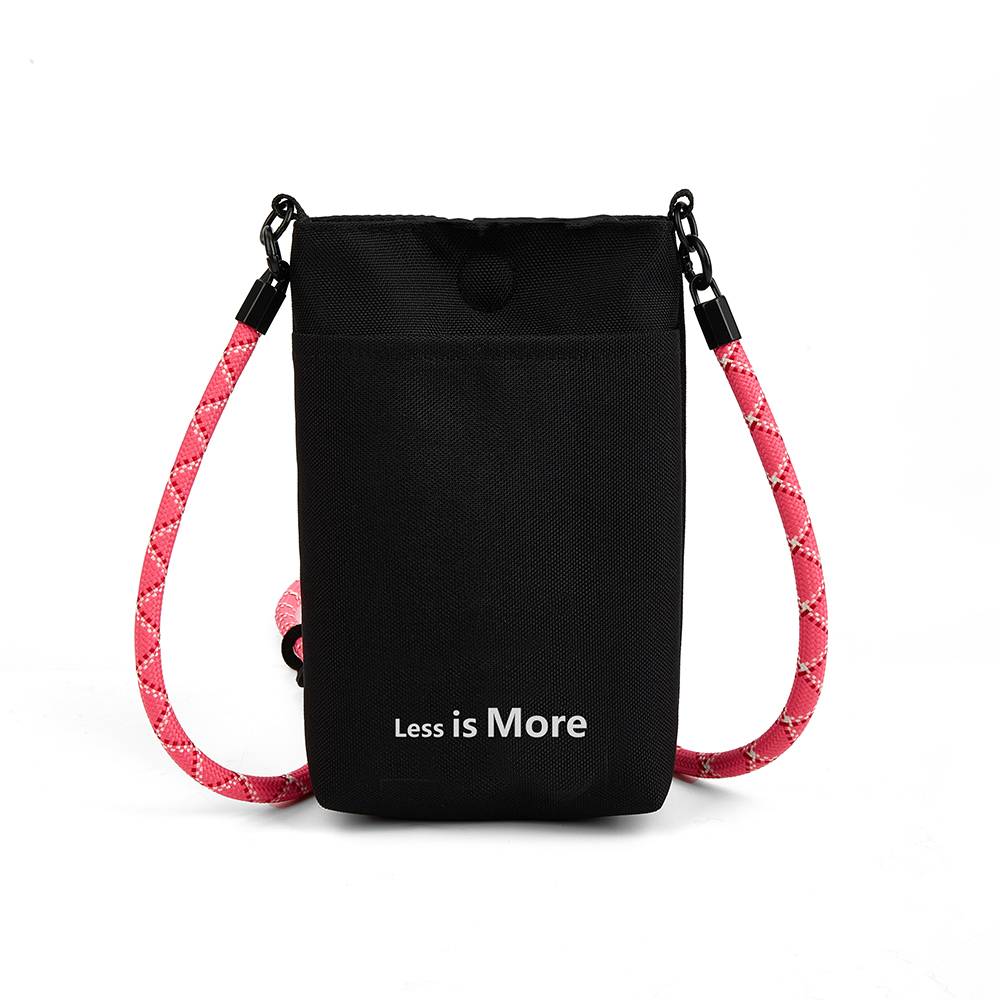
The sustainable material revolution of bags: from canvas to recycled leather

In the ever - evolving landscape of the fashion industry, sustainability has transformed from a fringe concept to a core trend. Bags, as essential accessories that combine fashion and functionality, are undergoing a profound transformation in material selection. Today, we delve deep into the application of eco - friendly materials in bag - making, focusing on the shift from traditional canvas to new - generation recycled leather, and compare their performance, appearance, and environmental impact.
Traditional Canvas: Durable But With Environmental Challenges
Canvas has a long - standing history in the bag - making field. Thanks to its excellent abrasion resistance, it can easily withstand various frictions in daily use and has always been highly favored.
However, the production process of canvas has non - negligible environmental issues. Traditional canvas is mostly made from natural cotton fibers. Cotton cultivation requires a large amount of water resources. Meanwhile, to prevent and control pests and diseases, the extensive use of pesticides and fertilizers not only pollutes the soil and water sources but also disrupts the surrounding ecosystem. In the dyeing and processing stages, a significant amount of energy and water are also consumed, and the resulting wastewater further exacerbates the environmental burden.
Recycled Leather: A Pioneering Fusion of Environmental Sustainability and Quality
Recycled leather, an emerging star among sustainable materials, has injected fresh impetus into the bag - making industry. It diverges from traditional natural leather, being crafted through a series of intricate processes from recycled leather offcuts, fiber fabrics, and other waste materials.
[Insert an image of a recycled leather bag]
In terms of performance, recycled leather retains the inherent flexibility and abrasion resistance of natural leather, fulfilling the diverse requirements of everyday usage. Advanced manufacturing techniques have elevated its durability to new heights, surpassing natural leather in certain aspects. Aesthetically, recycled leather can closely mimic the texture and tactile quality of natural leather. Through a spectrum of dyeing and treatment procedures, it can be rendered in an extensive array of colors and styles, catering to the diverse fashion sensibilities of consumers.
The most significant advantage of recycled leather lies in its remarkable environmental friendliness. By recycling discarded materials, it substantially curtails the extraction of new resources, conserving precious natural resources while simultaneously reducing the volume of waste destined for landfills and incineration, thereby minimizing environmental pollution.
[Insert an image of a recycled leather bag]
In terms of performance, recycled leather retains the inherent flexibility and abrasion resistance of natural leather, fulfilling the diverse requirements of everyday usage. Advanced manufacturing techniques have elevated its durability to new heights, surpassing natural leather in certain aspects. Aesthetically, recycled leather can closely mimic the texture and tactile quality of natural leather. Through a spectrum of dyeing and treatment procedures, it can be rendered in an extensive array of colors and styles, catering to the diverse fashion sensibilities of consumers.
The most significant advantage of recycled leather lies in its remarkable environmental friendliness. By recycling discarded materials, it substantially curtails the extraction of new resources, conserving precious natural resources while simultaneously reducing the volume of waste destined for landfills and incineration, thereby minimizing environmental pollution.
The Future of Sustainable Bags
The sustainable material revolution in the bag industry is merely in its infancy. As technology continues to progress by leaps and bounds, we anticipate an influx of even more innovative and sustainable materials into the market. Brands will undoubtedly continue to explore innovative ways to minimize their environmental footprint throughout the entire supply chain, from material sourcing to production and distribution.
Consumers, too, hold the key to driving this revolution forward. By demanding sustainable products and lending their support to brands that prioritize environmental stewardship, we can jointly create a more sustainable future for the fashion industry and the planet at large.
Consumers, too, hold the key to driving this revolution forward. By demanding sustainable products and lending their support to brands that prioritize environmental stewardship, we can jointly create a more sustainable future for the fashion industry and the planet at large.
In conclusion, the transition from canvas to recycled leather represents a significant milestone in the sustainable material revolution of bags. It is a win - win scenario for both the environment and the fashion industry, one that we should wholeheartedly embrace.
A cool bag that lasts: your key to all-day fresh food & drinks
Professional mobile bags for phone supplier, embarking on a customized fashion journey
Related blog